 effect
FabFilter
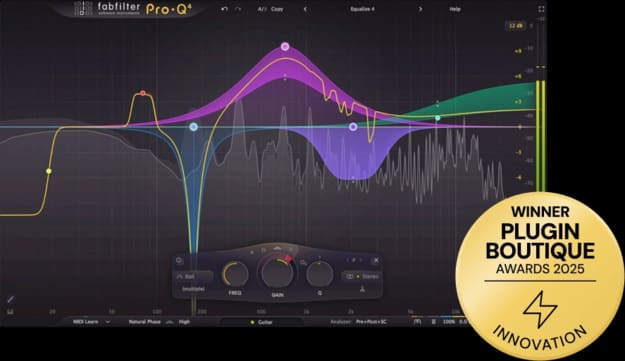
FabFilter Pro-Q 4
The reference EQ, now with spectral dynamics, an instance list, EQ Sketch and vintage saturation. Linear phase, dynamic bands and a gorgeous spectrum display.
At a glance
Genres
The transparent, surgical modern standard versus the classic console-style EQ prized for musical character.
Written and reviewed by Kasper Nods. Updated June 2026. How PlugPick reviews
PlugPick is reader-supported. We may earn a commission from links on this page, at no extra cost to you. Learn more
effectFabFilter
The reference EQ, now with spectral dynamics, an instance list, EQ Sketch and vintage saturation. Linear phase, dynamic bands and a gorgeous spectrum display.
At a glance
Genres
 effect
Sonnox
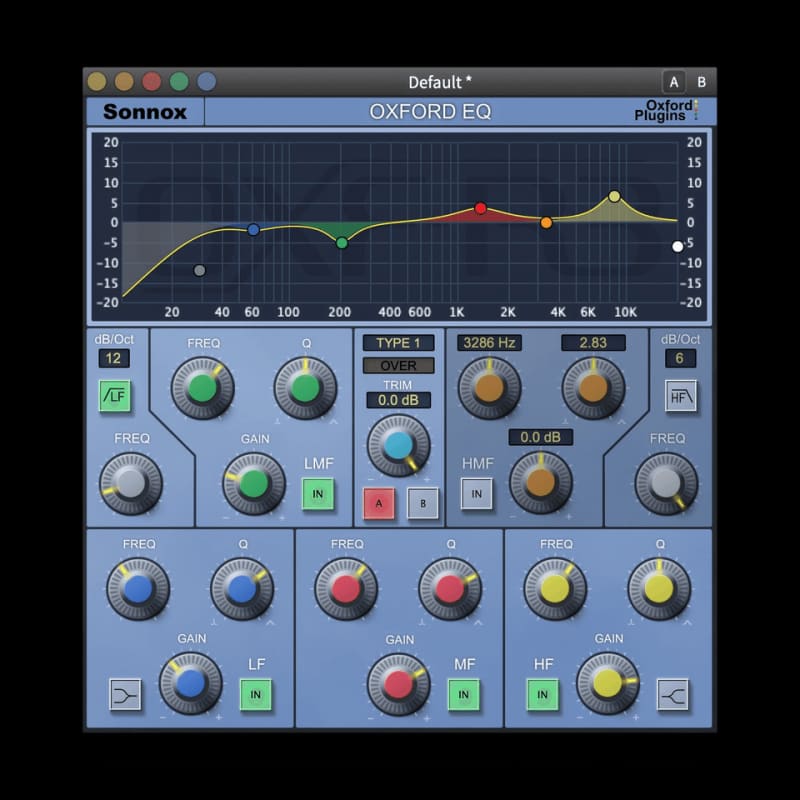
A 5-band parametric equaliser descended from the EQ section of the Sony OXF-R3 console, with four selectable EQ types for transparent corrective and tonal shaping in mixing and mastering.
At a glance
Genres
FabFilter Pro-Q 4 is the EQ engineers reach for when they want precision. It is the most cited clean EQ in production, with a huge, clear interface, dynamic bands, per-band mid-side processing and built-in spectrum analysis. It is transparent by design, so it colours the sound as little as possible, which makes it ideal for surgical cuts and detailed tonal shaping anywhere in the chain.
Sonnox Oxford EQ comes from the legendary Sony OXF-R3 console and is loved for the opposite reason: musical character. Its curves and saturation options are voiced to sound pleasing rather than clinical, so boosts feel smooth and broad shaping sounds finished. Mix engineers use it where they want an EQ that adds vibe and weight, not just correction.
This is the classic clean-versus-character EQ question. Pro-Q 4 is the more flexible, more surgical, more modern tool, and for most precise jobs it is the safe default. Oxford EQ is the one you reach for when you want the sound to gain analog-style musicality as you shape it.
Many engineers own both: Pro-Q 4 for clinical, problem-solving moves and detailed mastering work, Oxford EQ for broad, musical tone-shaping on individual tracks and buses.
Pick FabFilter Pro-Q 4 if you want transparent, surgical, fully flexible EQ with dynamic bands and mid-side control.
Pick Oxford EQ if you want classic console-style character and musical, analog-flavoured tone shaping.
It depends on the job. Pro-Q 4 is more flexible and transparent, better for surgical and technical work. Oxford EQ adds musical, console-style character. Many engineers use both for different purposes.
It models the curves and behaviour of the Sony OXF-R3 mixing console and includes saturation options, so its boosts and cuts sound smoother and more musical than a purely clinical EQ.
Not strictly, but a character EQ like Oxford EQ can make broad tonal moves sound more finished and pleasing, which a transparent EQ does not add on its own.