PlugPick

Gullfoss vs Smooth Operator Pro

The automatic clarity EQ built on an auditory-perception model versus the fast, affordable spectral smoother for everyday tracks.

Written and reviewed by Kasper Nods. Updated July 2026. How PlugPick reviews

PlugPick is reader-supported. We may earn a commission from links on this page, at no extra cost to you. Learn more

Gullfosseffect

Soundtheory

Gullfoss

An intelligent EQ that listens to your audio and rebalances the spectrum in real time, bringing out clarity and detail while preserving natural dynamics. Two controls, instant results, a mix-bus and mastering favourite.

At a glance

eqintermediatepaid

Genres

cinematicedmpoplofihiphop

Why Gullfoss

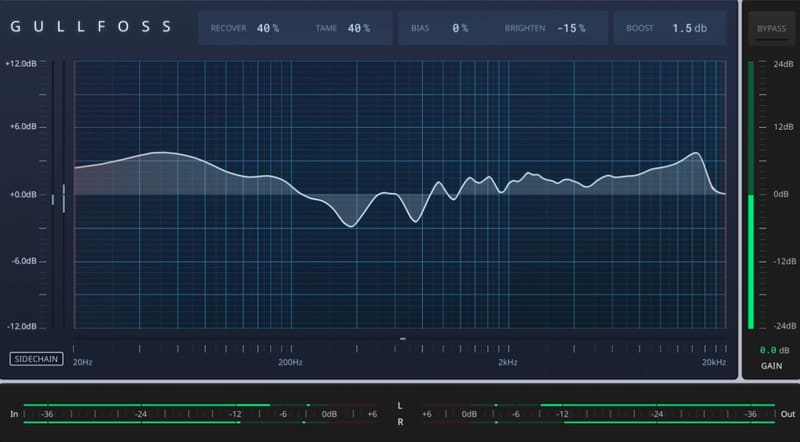
Gullfoss (Soundtheory) continuously rebalances the whole spectrum using a model of human auditory perception, with just a handful of controls. Used gently on a bus or master it makes mixes sound clearer, more open and better glued, engineers describe it as a fresh pair of ears, and because it decides for itself where to work, it asks almost nothing of you. Soundtheory quotes mastering and mix engineers like Shawn Hatfield on how naturally it improves program material.

Why Smooth Operator Pro

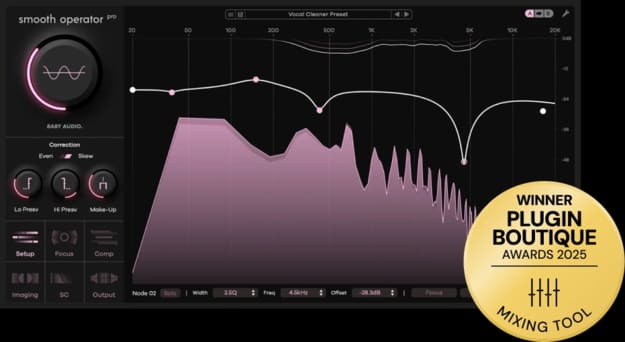
Smooth Operator (Baby Audio) combines resonance suppression and spectral balancing in a simple, visual interface: set a threshold curve, and it smooths harshness and evens tone inside the range you choose. It is more hands-on than Gullfoss, noticeably cheaper, and covers single-track duties, taming a vocal, softening cymbals, cleaning a muddy synth, with a couple of moves. Grammy-winning engineer Craig Bauer endorses it on Baby Audio's site.

The verdict

Both are smart tone fixers, but they sit at different points in the chain. Gullfoss is at its best on full mixes and masters, where its automatic, perception-based rebalancing adds clarity you would struggle to EQ in manually. Smooth Operator earns its keep on individual tracks, where its threshold-curve workflow tames problems quickly and visibly.

They also differ in control philosophy: Gullfoss hides its decisions, Smooth Operator shows you exactly what it touches. For bus and master sweetening, Gullfoss; for fast per-track cleanup on a budget, Smooth Operator; a good number of engineers run both at those two stages.

Pick Gullfoss if you want automatic, perception-based clarity on mixes and masters with minimal decisions.

Pick Smooth Operator Pro if you want fast, visible, affordable smoothing and resonance taming on individual tracks.

Frequently asked questions

Do Gullfoss and Smooth Operator do the same thing?

They overlap but sit at different stages. Gullfoss automatically rebalances the whole spectrum, which shines on mixes and masters. Smooth Operator smooths harshness and resonance inside a range you set, which suits individual tracks.

Is Smooth Operator a budget Gullfoss?

Not exactly. It is cheaper and covers some of the same tonal-balancing ground, but it is more hands-on and more targeted, closer to a simplified Soothe than to Gullfoss's fully automatic processing.

Can I use Gullfoss and Smooth Operator together?

Yes, and it is a sensible pairing: Smooth Operator cleaning up harsh individual sources, Gullfoss adding automatic clarity on the mix bus or master afterwards.

Both are picks for

Related comparisons